Real Translation Samples: See the Quality for Yourself
No cherry-picking. See unedited before-and-after PDF translations in Chinese, Russian, Arabic RTL tables, and Turkish fiction with original formatting intact.
The Short Answer
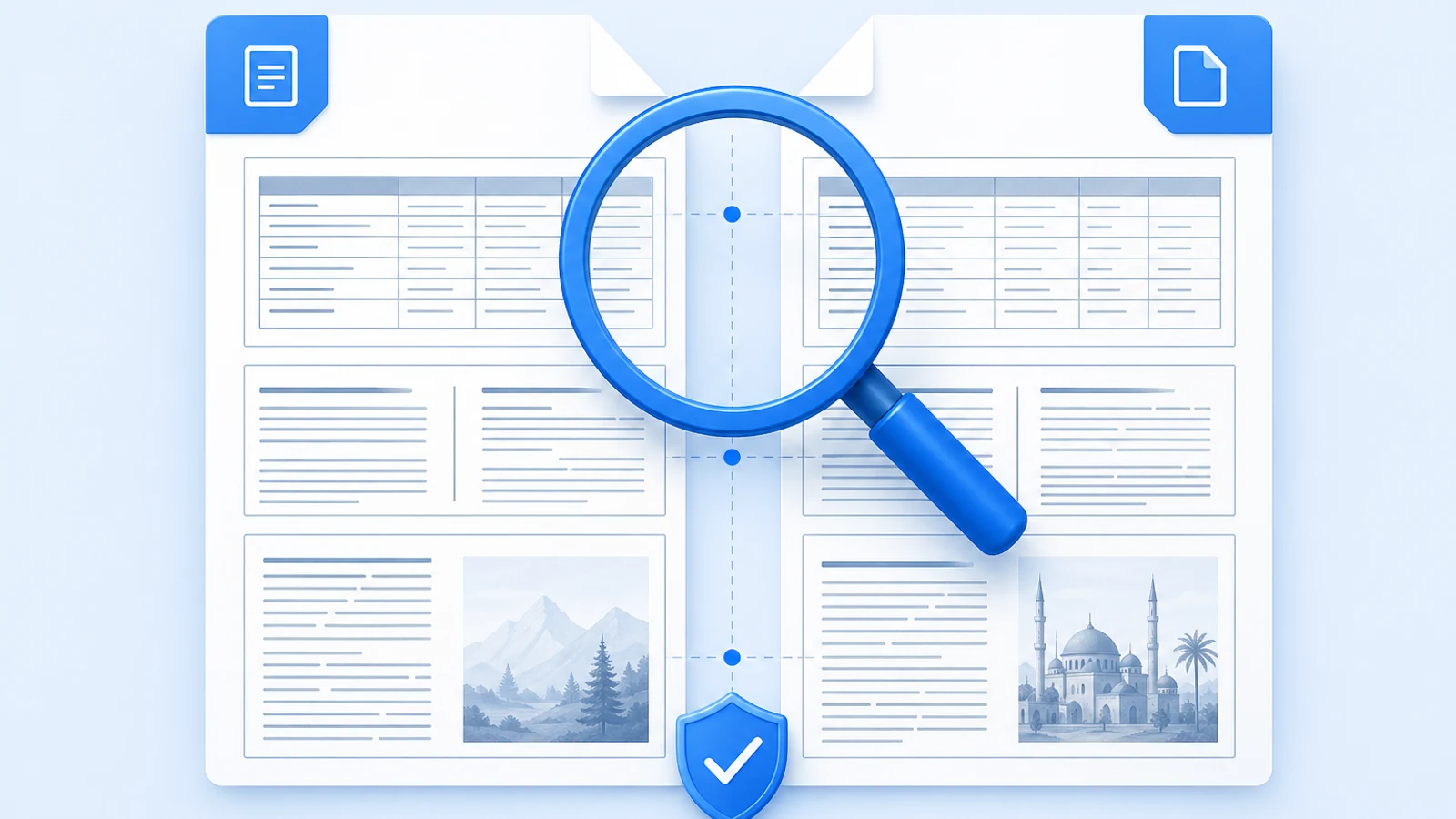
The only useful way to judge AI translation quality is to inspect before-and-after output. Look at meaning, fluency, terminology, formatting, reading order, tables, scripts, and whether the translated file is actually usable.
This page is a sample library for that inspection. Each sample shows:
- source language and target language
- document type
- what made the sample difficult
- what to inspect in the output
- known failure modes to check before trusting similar files
If you are comparing tools, start here, then use the complete book translation workflow, the LLM evaluation guide, the PDF translator comparison, and the EPUB translator comparison to decide which workflow fits your document.
How to Read These Samples
Do not scan only the first translated paragraph. Translation quality fails in specific places.
| What to inspect | Good output | Warning sign |
|---|---|---|
| Meaning | Claims, relationships, and sequence match the source | Polished sentence with changed meaning |
| Fluency | Reads naturally in the target language | Stiff, literal, or inconsistent style |
| Terminology | Repeated terms are translated consistently | Same concept has multiple translations |
| Layout | Headings, paragraphs, tables, and page order survive | Columns merge, tables collapse, captions move |
| Script handling | CJK, Cyrillic, Arabic, and Latin scripts render correctly | Missing glyphs, wrong direction, broken spacing |
| Completeness | No omitted, duplicated, or added text | Truncation, extra notes, source text left behind |
For your own document, run the same checklist before publishing, sharing, or relying on the translation.
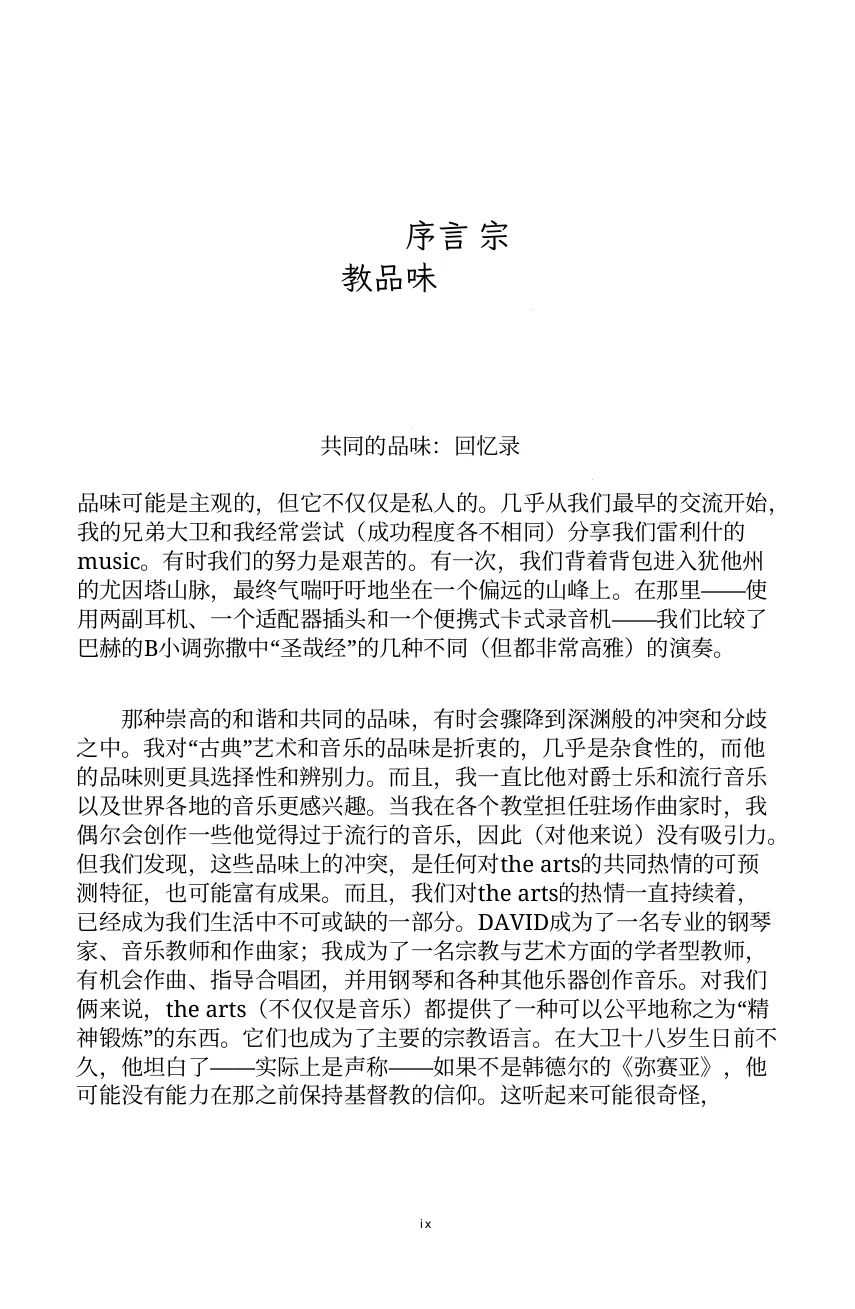
Sample 1: Chinese to English Academic Book
| Field | Notes |
|---|---|
| Format | PDF page from an academic book |
| Language pair | Chinese to English |
| Main difficulty | Dense academic prose, heading hierarchy, page numbering |
| Best inspection target | Does the translated English keep the argument readable without flattening structure? |
Original source page:
Translated page:
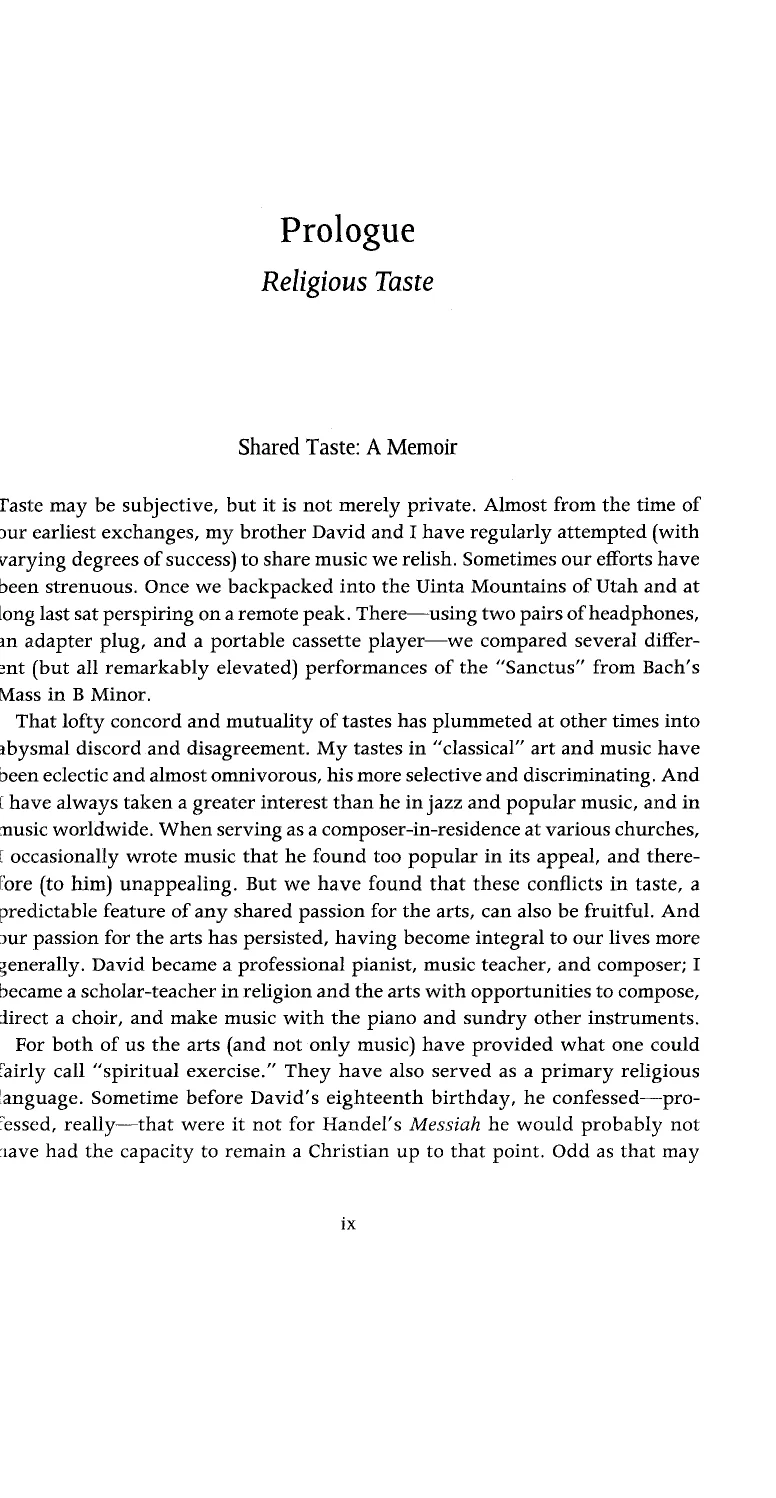
What to notice:
- The chapter-level heading is translated as a heading, not merged into body text.
- Paragraph structure and indentation are preserved.
- The page number remains in place.
- Dense academic prose becomes readable English without turning into a loose summary.
- Subtitle styling remains visually distinct from body text.
Known failures to check in similar files:
- footnotes moved to the wrong page
- author names or book titles translated when they should stay unchanged
- repeated academic terms translated inconsistently
- page headers mixed into the body text
For research-heavy PDFs, also read the academic research paper translation workflow.
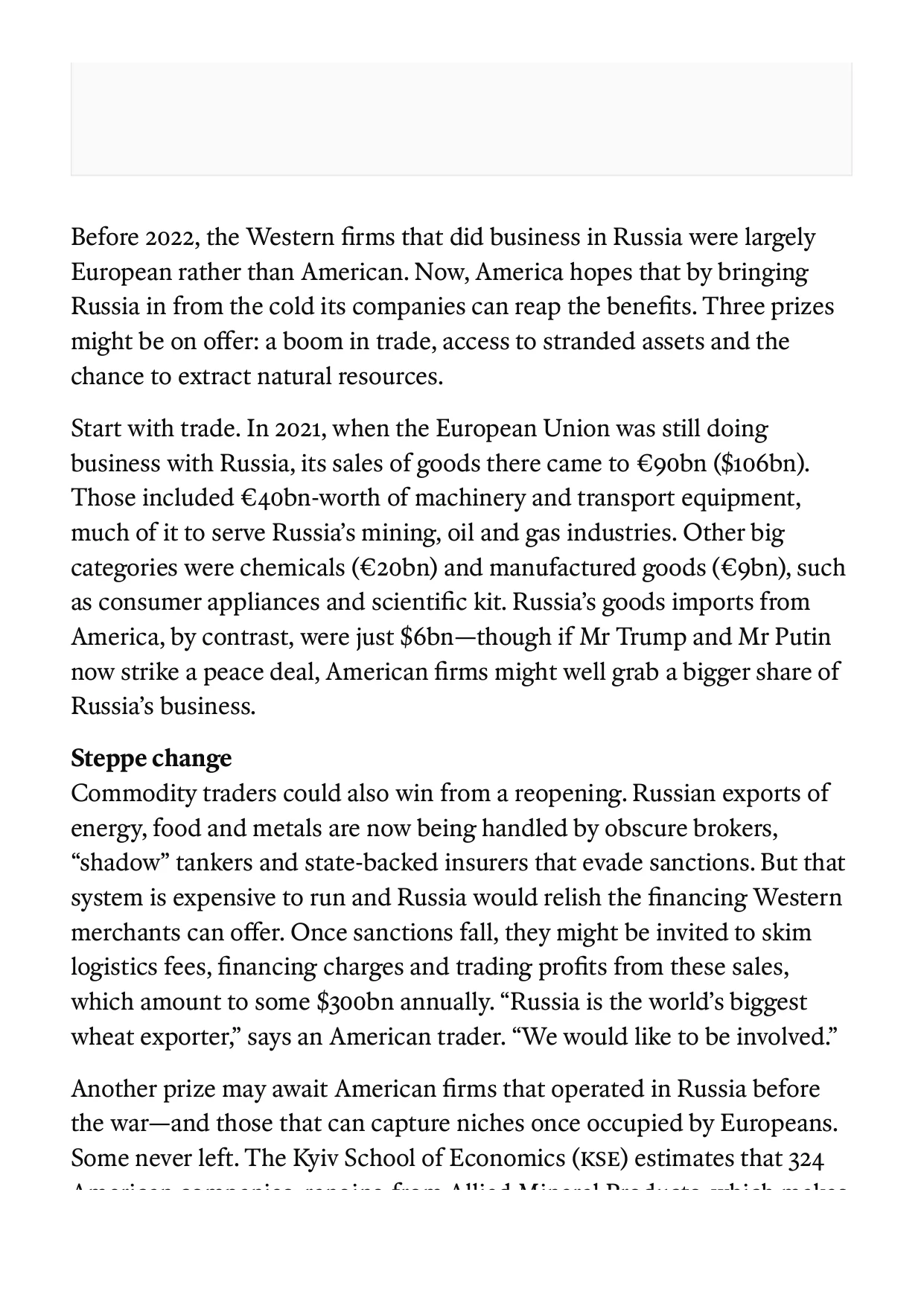
Sample 2: English to Russian News Article
| Field | Notes |
|---|---|
| Format | PDF article |
| Language pair | English to Russian |
| Main difficulty | Cyrillic rendering, quotes, currency figures, economic terminology |
| Best inspection target | Does the translated page keep paragraph flow and numerical details intact? |
Original source page:
Translated page:
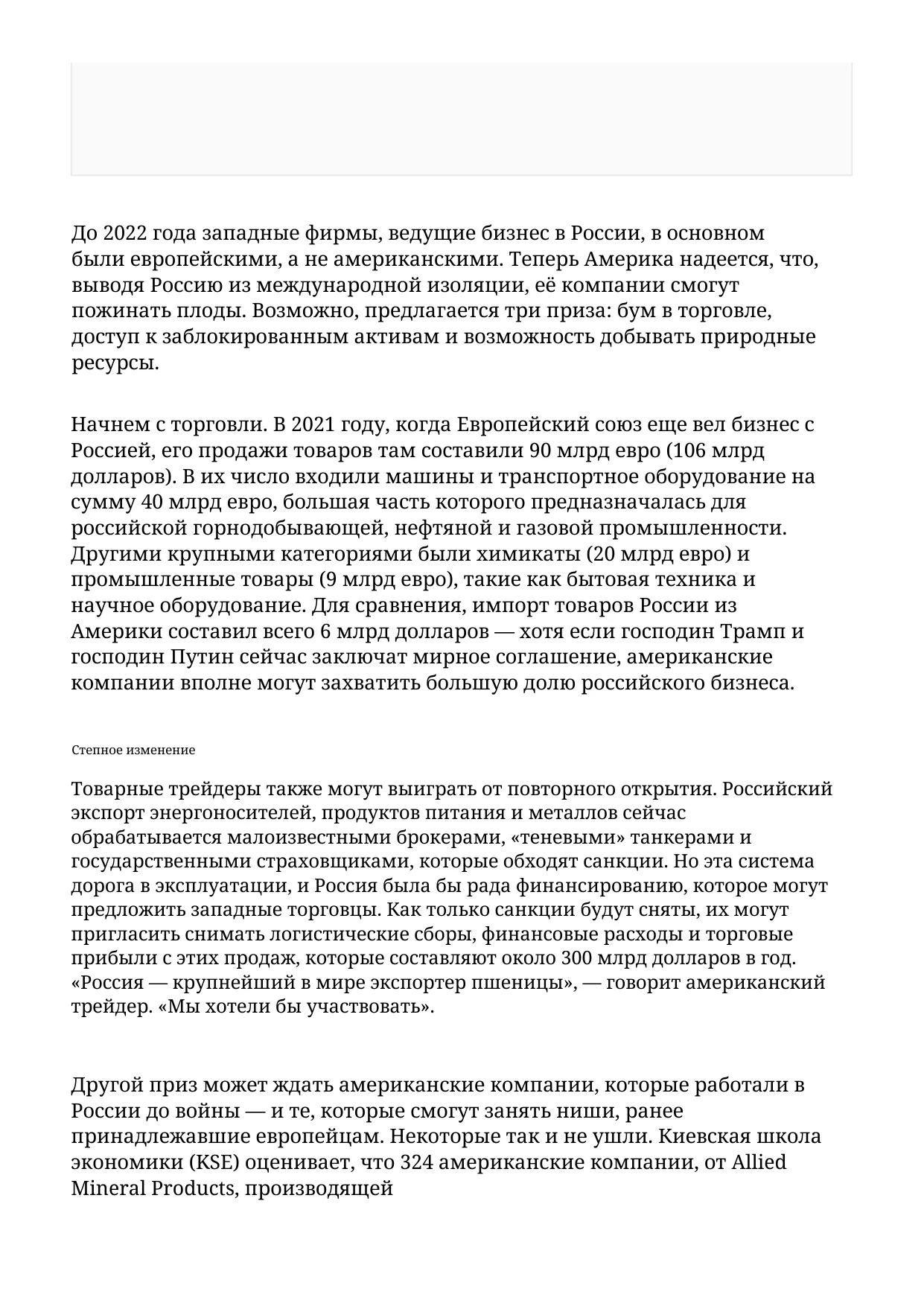
What to notice:
- Cyrillic text renders cleanly.
- Currency figures and numbers remain recognizable.
- Paragraph spacing and reading order stay intact.
- Quoted speech remains readable in the target language.
- The section heading keeps visual emphasis.
Known failures to check in similar files:
- numbers or currency symbols reformatted incorrectly
- line breaks inserted inside Russian words
- quoted speech losing punctuation
- names transliterated inconsistently
If layout fidelity is your main concern, compare workflows in how to translate a PDF without losing formatting.
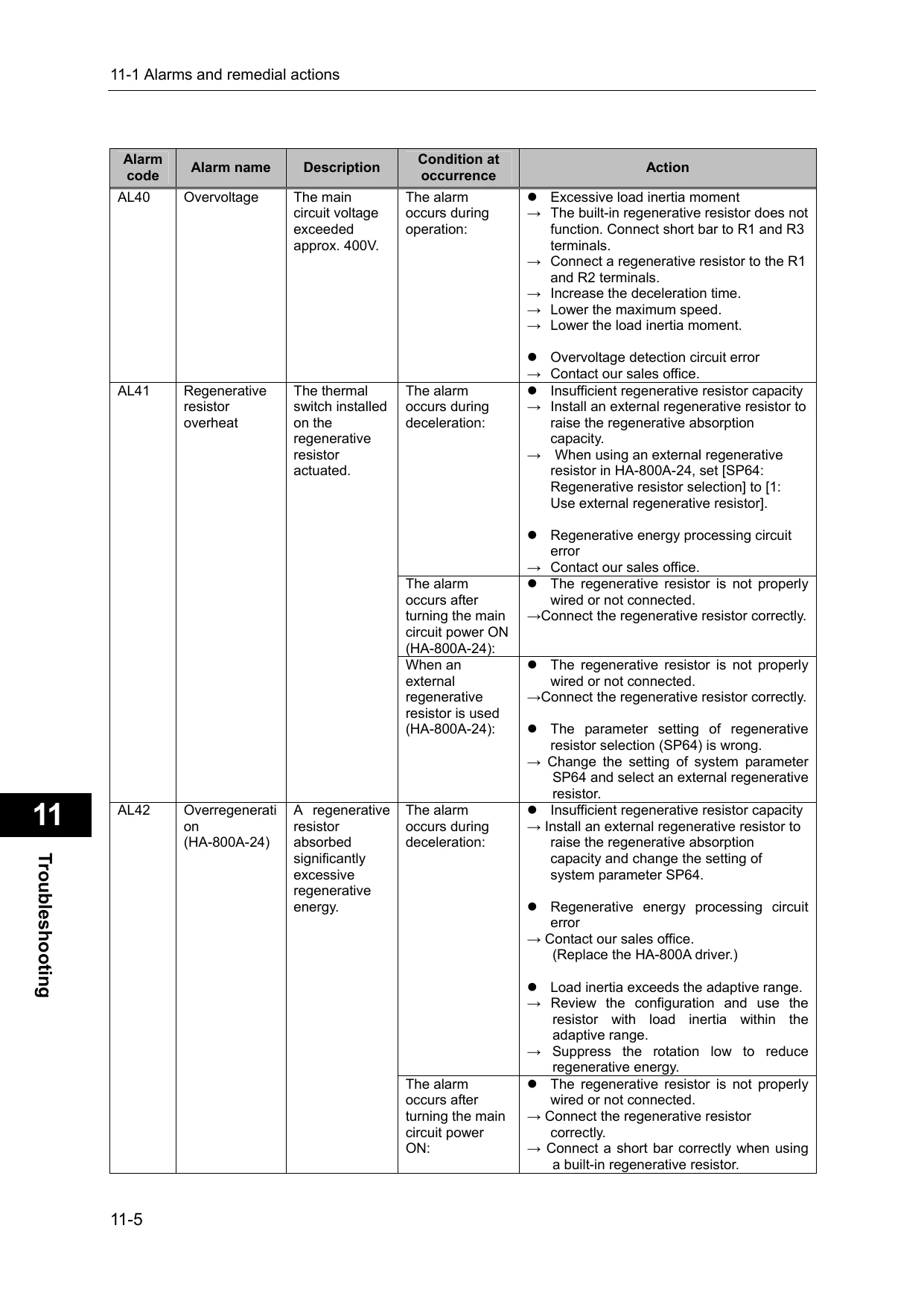
Sample 3: English to Arabic Technical Manual
| Field | Notes |
|---|---|
| Format | Technical PDF with table |
| Language pair | English to Arabic |
| Main difficulty | Right-to-left text, table structure, alarm codes, procedural wording |
| Best inspection target | Does the table remain usable after translation? |
Original source page:
Translated page:
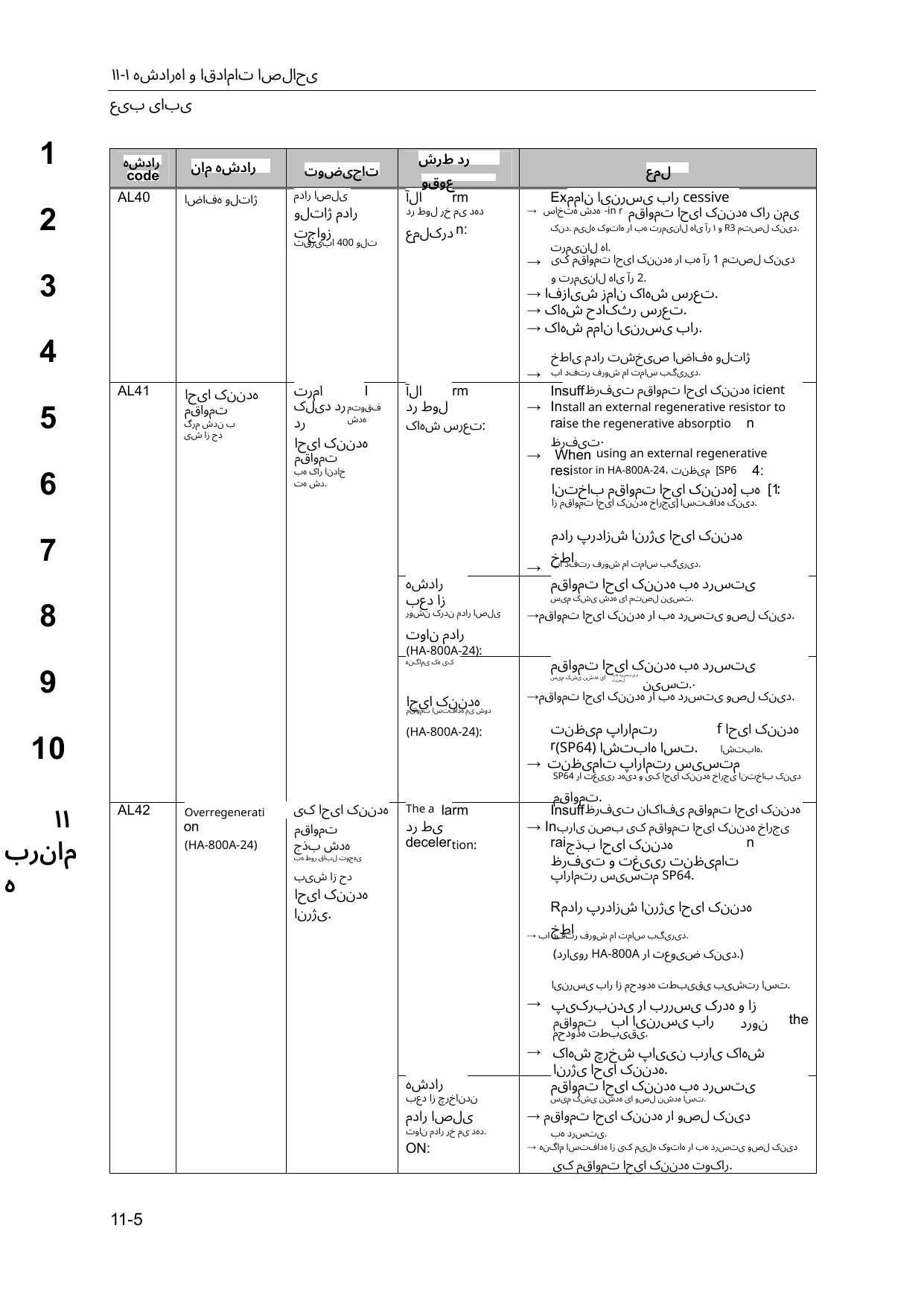
What to notice:
- Table rows, borders, and columns remain visible.
- Alarm codes such as AL40, AL41, and AL42 are preserved.
- Arabic text flows right to left.
- Procedure-style instructions remain grouped with the right alarm.
- Page structure remains close to the source.
Known failures to check in similar files:
- RTL text placed in left-to-right order
- warning codes translated or altered
- table cells merged into one paragraph
- bullet lists separated from the relevant table row
For layout-heavy documents, use PDF Translator rather than a copy-paste workflow.
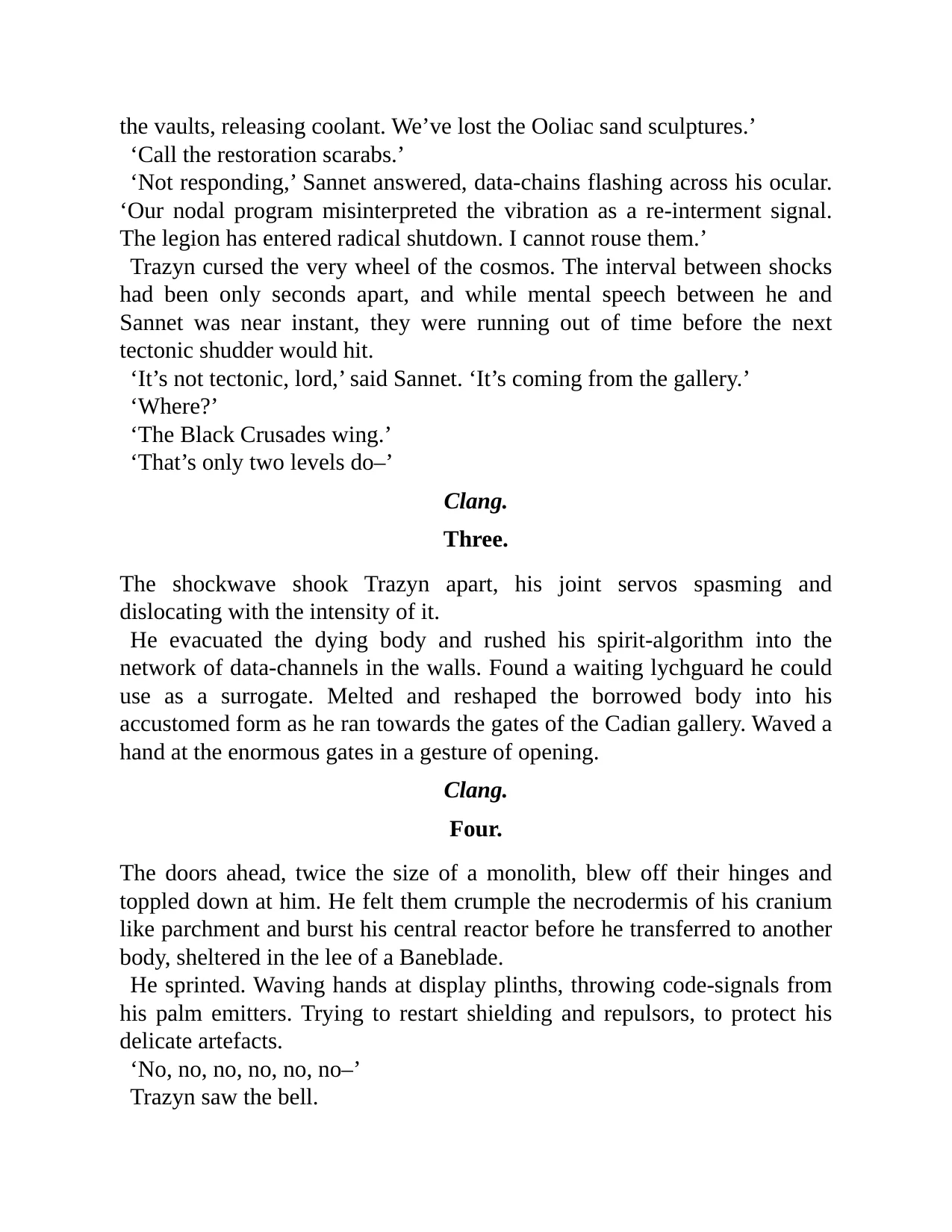
Sample 4: English to Turkish Fiction
| Field | Notes |
|---|---|
| Format | Fiction page from a book PDF |
| Language pair | English to Turkish |
| Main difficulty | Dialogue, pacing, chapter break, sound effects |
| Best inspection target | Does the translation read like fiction instead of a literal transcript? |
Original source page:
Translated page:
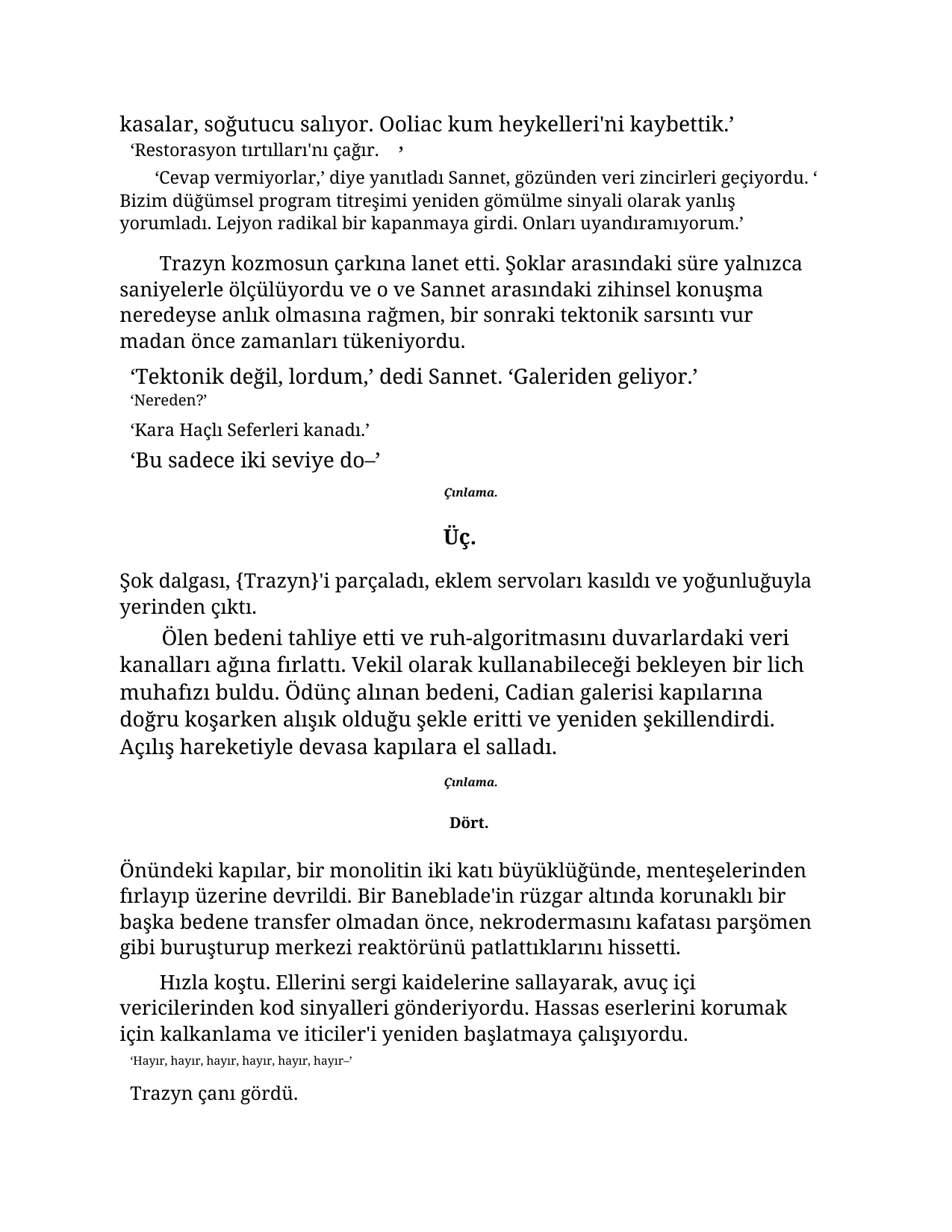
What to notice:
- Dialogue remains dialogue, with speaker flow intact.
- Chapter break formatting remains centered.
- Emphasis and sound-effect styling are preserved.
- Character names are handled consistently.
- The translated prose keeps pace rather than becoming a word-by-word gloss.
Known failures to check in similar files:
- character names translated or localized inconsistently
- dialogue tags made too formal
- idioms translated literally
- chapter breaks or scene breaks removed
For full books, compare options in apps to translate EPUB and PDF books or start with Translate Book.
What These Samples Prove, and What They Do Not
These samples show that AI document translation can preserve meaning and layout across different scripts and document types. They also show the right way to inspect translation output: pair the source and translation, then check the hard parts.
They do not prove that every document will translate perfectly. Translation quality still depends on:
- source file quality
- whether the PDF has selectable text or scanned images
- document layout complexity
- language pair
- subject matter
- length
- whether the output will be read casually, reviewed professionally, or published
If your file is scanned, start with how to translate scanned PDFs. If your file is an EPUB, use EPUB Translator. If you are comparing model quality, use the LLM evaluation guide.
Sample Review Checklist
Before you trust a translated file, inspect these sections:
- First page or opening chapter.
- One dense page in the middle.
- One page with a table, citation, caption, list, or footnote.
- The ending or conclusion.
- Any pages with names, numbers, formulas, warnings, or legal language.
- Metadata, title page, table of contents, and headings.
For books, search the translated output for main character names and repeated terms. For academic papers, compare the abstract, conclusion, equations, citations, and tables against the source. For manuals, check warnings, numbered steps, part names, and codes.
Known Failure Modes
| Failure | Why it matters | What to do |
|---|---|---|
| Beautiful but wrong sentence | Fluency can hide meaning errors | Compare key claims against the source |
| Missing paragraph | A page can look fine while content is omitted | Compare section count and page flow |
| Table collapse | Technical manuals become unusable | Inspect every table-heavy page |
| Wrong reading order | Multi-column PDFs become confusing | Check columns and captions |
| Term drift | Readers lose the thread | Build a glossary for repeated terms |
| Translated names | Characters, authors, and institutions can become inconsistent | Search proper nouns after translation |
| Source text leftovers | The output is incomplete | Search for source-language words |
| Added notes | The model breaks the requested output format | Reject and rerun with stricter settings |
Which Sample Matches Your File?
| Your file | Closest sample | Recommended next page |
|---|---|---|
| Academic PDF | Chinese to English academic book | Translate academic research papers |
| Business report or article | English to Russian article | Best PDF translators |
| Manual with tables | English to Arabic technical manual | PDF Translator |
| Novel or fiction book | English to Turkish fiction | Translate Book |
| EPUB ebook | Fiction sample plus EPUB workflow | EPUB Translator |
| Scanned document | Not shown here | Scanned PDF translation guide |
Try Your Own Sample
The safest test is your own document. Upload one representative file, then review the translated output using the checklist above.
- Use Translate Book for full books and long documents.
- Use PDF Translator for PDFs where layout matters.
- Use EPUB Translator for ebooks with chapters, table of contents, and reflowable text.
- Check pricing before running a larger batch.
Related Posts